Monday, 30 November 2009

the dandi lion (Sculpture By The Sea 2009)


These kids were having a great time playing amongst this sculpture by William Eastlake of the Australian Capital Territory. It's made of bamboo, sisal rope and organic cotton.

Eastlake says: "While exploring the influence of material and its inherent structural qualities in the creation of space, we manipulate the experience and interpretation of the viewer."

The work rotates and the kids loved pushing it, climbing under it and running through.

Sunday, 29 November 2009

where is the freedom? (Sculpture By The Sea 2009)


This work is by an Iranian artist, Mona Aghababaee. She saus : "Inspired by Ancient persian culture, the symbols are used in a new context and are connected with the social, political and cultural conditions in Iran."

There is quite a story behind this sculpture. It won the $5000 prize for young sculptors, but in an ironic twist on the theme of the work - freedom - the Australian embassy in Tehran denied her a visa to come to Australia to collect her prize and see it displayed.

She had "lots of problems" exhibiting her art in Iran, she said, and entered Sculpture by the Sea after finding information about it on the internet. She had to borrow money to pay for the transportation of her work to Australia.

The cypress tree once symbolised freedom in Iran, but today ''its symbolism is simply denied'', Ms Aghababaee said. ''We live in a country that hasn't any freedom.''

Read the full story here.

Saturday, 28 November 2009

little boy lost (Sculpture By The Sea 2009)


Paul Trefry's lifelike sculpture is made from silicon, fibreglass and human hair. He says it is "made from the heart, without pressure from other parties."

At first the local council, Waverley, decided the piece had to don a pair of swimmers, but artist Trefry took them off.

He said he "had felt so uncomfortable with a Waverley Council ruling that his sculpture had to be clothed that he rose at 7.30am and made the short trip from his Bondi home to return the piece to its intended naked form.

''Basically, I've had enough of censorship, about how the Government are basically stopping everyone from doing anything,'' he said.

''If Sculpture by the Sea want me to remove it, I will. If they are going to do something so petty, I would rather not be in the exhibition.''

But Sculpture by the Sea founder David Handley said the piece would remain. ''We think it is pretty funny and guessed they'd probably reappear on eBay,'' he said of the missing swimmers. ''Then we found out the artist took them off himself, and thought, 'Why not?' Now, if people wish, they can see him in all his glory.''

Full story : Sydney Morning Herald.

Friday, 27 November 2009

a crab in the works (Sculpture By The Sea 2009)


Gordon Mitchell says : "Transforming an everyday object into that of monumental scale. Evoking memories of losing a valuable watch at the beach or the discovery of a treasure!"

Thursday, 26 November 2009

dying for a drink (Sculpture By The Sea 2009)


This work by Phill Hall is made of wire mesh, recycled water bottles, glass, plywood riot shields.

Hall says "Traveling sculpture designed to raise awareness of the critical global water shortage and to stimulate positive actions and solutions."

Wednesday, 25 November 2009

brain child 611 (Sculpture By The Sea 2009)


I really love this "mathematical sculpture" because it brings back my childhood! Cuisenaire rods. Named after their inventor, Belgian primary school teacher, Georges Cuisenaire.

Lucy Barker, the sculptor says: "Oversized counting blocks from the early 1960s appear fresh from their box. Hardly touched, they represent the enormous potential of a child's mind."

I still have a box of my own, from the early to mid 1960s. We used them at school and I played with them at home. I still remember the colours: 1= white, 2= red, 3= light green, 4= pink, 5= yellow, 6= dark green, 7= black, 8= brown, 9= dark blue, 10= orange.

Dis you have anything similar at school to help learn maths?

Tuesday, 24 November 2009

subterfuge (Sculpture By The Sea 2009)


Suzie Bleach and Andy Townsend have made this "Trojan horse" of steel and salvaged objects.

They say: "A place of retreat or concealment; a refuge; a hoax; a fakery; an elaborate deception; a swindling device: a means to an end."

Monday, 23 November 2009

Sunday, 22 November 2009

dream home (Sculpture By The Sea 2009)


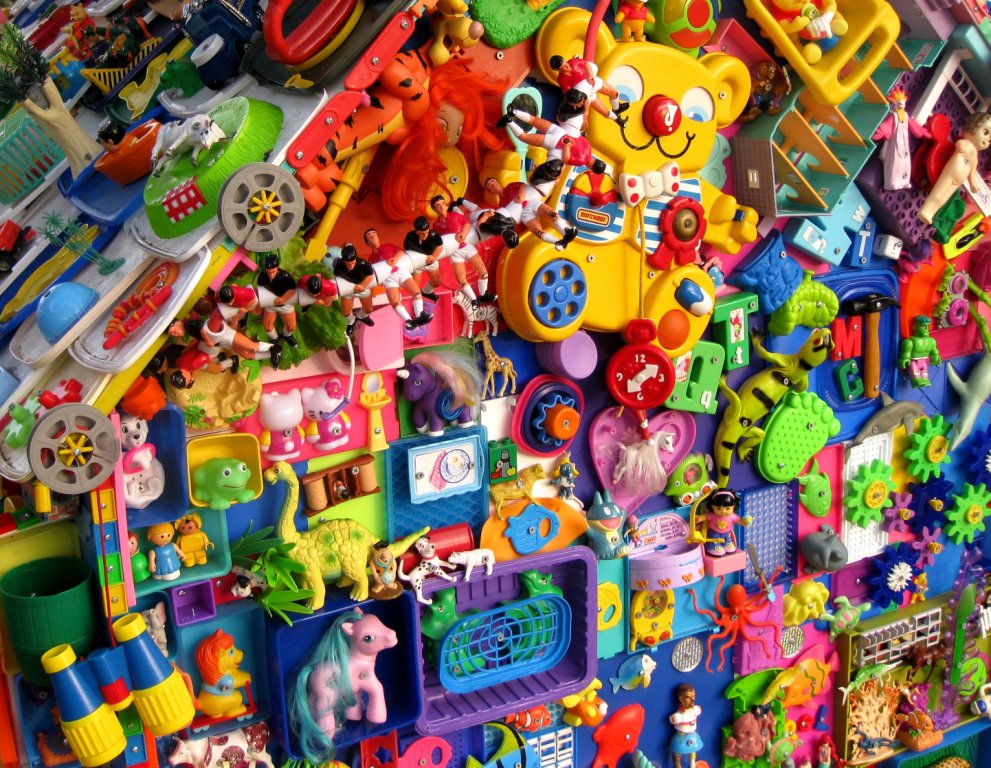
Dream home by Jane Gillings won the Kids Choice Award at this year's exhibition.

"A firm favourite from the start, Dream Home was constantly played with by children throughout the exhibition who were attracted by the playful small house covered in children's toys made as a response to the consumerism and consumption in our society which starts from a very young age.

"What I love about the piece is that it brings out the kid in everyone and I probably had more fun making it, than the thousands of kids had playing in the piece during the exhibit. Winning this prize is a great reward for a lot of hard work," said artist Jane Gillings.

It has a bright, colourful exterior, but the mood gets much more serious inside, with black walls and scary-looking dolls.

Gillings says the contrasting elements were inspired by the idea that the global financial crisis was sparked by people being encouraged to live beyond their means.

Saturday, 21 November 2009

recession (Sculpture By The Sea 2009)


Michael Lipman made this from steel and plastic.

"A statement of the times. The world recession has caused the 'domino effect' in many areas, all of which affect our lives."